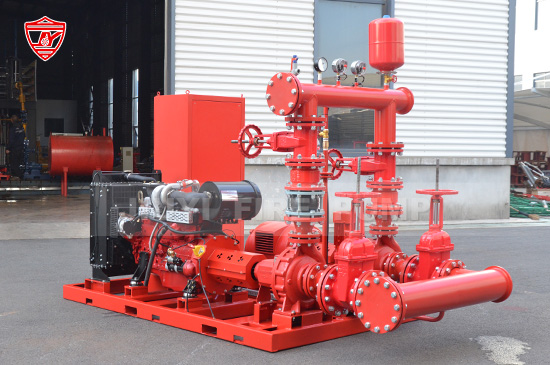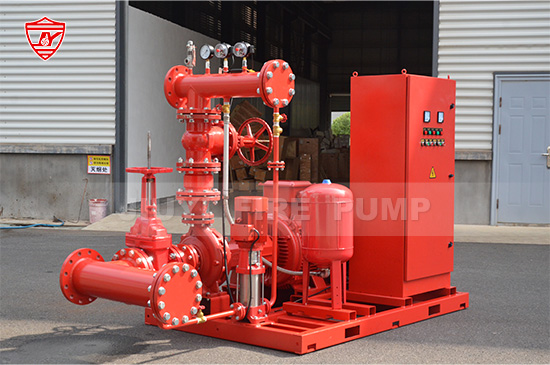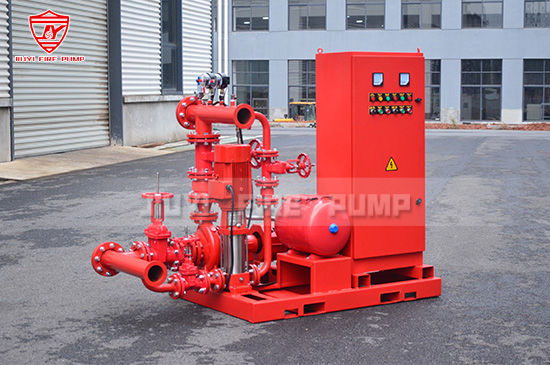
A containerized fire pump system provides a compact and integrated solution for projects where a conventional pump room is impractical or where rapid installation, equipment protection, and controlled factory assembly are important. However, purchasing a containerized fire pump package is only one part of a successful fire protection project. Project owners must also ensure that the equipment is correctly specified, installed, tested, commissioned, and maintained.
A systematic inspection process can help identify problems before the system is required during a fire emergency.
This containerized fire pump inspection checklist provides project owners with a practical framework for reviewing the major components of a containerized fire pump system. It covers the enclosure, fire pumps, drivers, controllers, piping, fuel system, ventilation, electrical installation, testing, documentation, and ongoing maintenance.
.jpg)
Before inspecting individual components, the project owner should confirm that the complete system matches the approved project design.
Check the required fire pump flow rate, pressure, pump type, driver configuration, power supply, and operating conditions. Confirm that the selected pump can meet the hydraulic requirements of the fire protection system.
The containerized package may include an electric fire pump, diesel fire pump, jockey pump, controllers, valves, piping, fuel system, ventilation equipment, lighting, monitoring equipment, and other accessories. The exact configuration should correspond to the project's approved specifications.
The owner should also verify that the container dimensions and internal arrangement provide adequate access for operation, inspection, maintenance, and equipment replacement.
A well-designed containerized fire pump system should not simply fit inside the enclosure. It should provide practical access to all critical equipment throughout its service life.
The container itself is an important part of the fire pump installation.
Inspect the external structure for damage, corrosion, deformation, poor welding, or coating defects. Doors should open and close properly, and access points should be secure.
Check that the enclosure provides suitable protection for the fire pump equipment under the project's environmental conditions. Depending on the application, considerations may include rain, dust, humidity, temperature, corrosive environments, and other site conditions.
The floor should be strong enough to support the installed equipment and operational loads. Equipment should be securely mounted to prevent unwanted movement or vibration.
Inspect cable entries, pipe penetrations, ventilation openings, and other openings to ensure they are properly designed and protected.
Project owners should also confirm that there is sufficient working space around pumps, engines, controllers, valves, and other serviceable components.
The fire pump is the core of the system, so its inspection should receive particular attention.
Verify the pump model, rated flow, rated pressure, speed, and other key parameters against the approved project requirements.
Inspect the pump casing, shaft, coupling, bearings, seals, base, and other visible components for damage or abnormal conditions.
For centrifugal fire pumps, check that the suction and discharge arrangements are correctly installed and that valves are accessible for operation.
The suction piping should be properly supported and arranged to minimize hydraulic problems. Check for unnecessary restrictions, sharp changes in direction, or installation conditions that could negatively affect pump performance.
The discharge side should include the required valves, check valves, test connections, and other specified components.
For vertical turbine fire pump systems, additional attention should be given to the vertical assembly, shaft alignment, lubrication arrangements, discharge head, and connection between the pump and driver.
When an electric fire pump is included, inspect both the motor and its electrical installation.
Confirm that the motor rating is suitable for the fire pump and that the voltage and frequency correspond to the project power supply.
Check cable connections, terminals, grounding, conduit, disconnecting equipment, and controller connections.
The electric motor should be properly aligned with the pump, and coupling guards should be installed where required.
During testing, observe the motor starting process and check for abnormal vibration, noise, overheating, or other unusual conditions.
The owner should also verify that the fire pump controller is correctly configured and that required automatic starting functions operate as intended.
For diesel-driven fire pumps, the engine requires additional inspection because it has mechanical, electrical, fuel, cooling, exhaust, and starting systems.
Check the diesel engine model and rated power against the approved fire pump package.
Inspect the fuel tank, fuel lines, valves, filters, connections, and supports. The fuel system should be free from leakage and should provide the required operating capacity.
Check engine batteries, battery cables, terminals, chargers, and starting equipment.
The cooling system should also be inspected. Depending on the engine configuration, this may include heat exchangers, cooling loops, radiators, pumps, valves, and related piping.
Inspect the exhaust system for correct routing, support, insulation where required, and safe discharge outside the container.
During the operational test, observe engine starting performance, operating speed, oil pressure, coolant temperature, and other available engine parameters.
A jockey pump helps maintain pressure in the fire protection system during normal conditions and can reduce unnecessary starting of the main fire pump.
Inspect the jockey pump, motor, controller, pressure settings, suction and discharge connections, and isolation valves.
The starting and stopping pressure settings should correspond with the approved system design.
During commissioning, verify that normal pressure loss causes the jockey pump to start as intended and that the main fire pump does not start unnecessarily under normal small pressure fluctuations.
The relationship between jockey pump settings and main fire pump starting pressure should be clearly established and tested.
The controller is one of the most important components for reliable automatic operation.
Check the controller enclosure, display, switches, indicators, wiring, terminals, alarms, and communication interfaces.
For electric fire pumps, verify the incoming power supply and controller configuration.
For diesel fire pumps, inspect battery charging systems, automatic starting circuits, engine monitoring, alarm functions, and manual starting arrangements.
The owner should verify that the controller provides the required information and that abnormal conditions generate the appropriate alarms.
Controller inspection should not be limited to visual examination. Functional testing is essential.
Containerized fire pump systems require careful ventilation planning, particularly when diesel engines are installed.
A diesel engine produces heat and exhaust gases during operation. The enclosure must therefore provide suitable ventilation and heat management.
Inspect air intake openings, exhaust fans, louvers, ductwork, dampers, and other ventilation components.
Verify that the ventilation system operates correctly when the diesel engine is running.
Check that hot exhaust gases are safely discharged and do not recirculate into the container.
Temperature monitoring and alarms should also be checked where provided.
For projects in hot or cold climates, the owner should confirm that the containerized system has been designed for the actual ambient conditions at the installation site.
All electrical installations should be checked for proper routing, protection, identification, termination, and grounding.
Inspect power cables, control cables, cable trays, conduits, junction boxes, and connection points.
Cables should be protected from mechanical damage, excessive heat, water ingress, and other environmental hazards.
The electrical supply should be consistent with the approved design and equipment requirements.
Check that grounding and bonding arrangements have been completed correctly.
Where the container includes lighting, emergency lighting, heaters, ventilation equipment, battery chargers, or monitoring systems, these auxiliary electrical systems should also be inspected.
A fire pump can only perform effectively if the connected piping system is correctly installed.
Inspect suction and discharge piping for proper support, alignment, cleanliness, and connection.
Check isolation valves, check valves, pressure gauges, test connections, drains, and other fittings.
All valves that are required to remain open should be correctly positioned and secured according to the approved system requirements.
Pressure gauges should be installed where required and should be readable from an accessible position.
Look for visible leakage, corrosion, damaged threads, poor flange connections, or unsupported pipe sections.
Pipe penetrations through the container should be properly sealed and protected.
For diesel fire pump packages, fuel and battery systems deserve separate attention.
Inspect the fuel tank capacity, fuel level, fuel lines, valves, filters, and connections. Check for leakage and verify that the tank is securely mounted.
Battery systems should be inspected for correct voltage, secure connections, charger operation, and physical condition.
Automatic starting should be tested using the actual control system rather than relying only on a visual inspection.
The project owner should ensure that spare parts and consumables required for routine maintenance are identified before the system is handed over.
Inspection alone cannot confirm complete system performance.
The containerized fire pump system should undergo appropriate functional and performance testing according to the approved project requirements and applicable standards.
Testing may include automatic start testing, manual start testing, pump performance testing, controller testing, alarm testing, diesel engine testing, jockey pump operation, and other specified procedures.
During pump performance testing, record relevant flow and pressure data.
Compare the test results with the approved pump performance requirements.
Any unusual vibration, noise, temperature rise, pressure fluctuation, starting problem, leakage, or abnormal engine behavior should be investigated before final acceptance.
Test records should be retained as part of the project's commissioning documentation.
A fire pump system must remain accessible when it is most needed.
Confirm that doors and emergency access routes are unobstructed.
Check that emergency stops, manual controls, isolation valves, and critical operating equipment are clearly identified and accessible.
Warning signs and equipment labels should be visible and durable.
The area surrounding the container should also provide sufficient clearance for inspection, maintenance, ventilation, and emergency operations.
Project owners should consider not only how the system operates today but also how technicians will access it several years after installation.
Documentation is an essential part of final inspection.
The owner should receive the relevant equipment manuals, approved drawings, wiring diagrams, pump curves, engine information, controller documentation, test reports, commissioning records, and maintenance instructions.
Equipment identification should match the documentation.
The owner should also verify that model numbers, serial numbers, ratings, and major component information are correctly recorded.
A complete documentation package makes future troubleshooting and maintenance significantly easier.
Inspection should not end when the containerized fire pump system is commissioned.
Project owners should establish a regular inspection and maintenance schedule covering pumps, engines, motors, controllers, batteries, fuel systems, valves, piping, ventilation equipment, and other components.
Routine inspections can identify problems such as corrosion, battery deterioration, fuel contamination, leakage, loose connections, blocked ventilation openings, and abnormal pump performance before they become serious.
Maintenance records should include inspection dates, test results, detected problems, corrective actions, and replacement parts.
A consistent maintenance history can also help demonstrate that the fire protection system has been properly managed throughout its operating life.
.jpg)
A containerized fire pump system combines multiple critical components into one integrated fire protection package. For project owners, a structured inspection process is essential to verify that the equipment has been correctly designed, manufactured, installed, tested, and commissioned.
The inspection should cover more than the fire pump itself. The container structure, electric motor, diesel engine, jockey pump, controller, fuel system, batteries, ventilation, piping, electrical installation, safety equipment, testing procedures, and documentation all contribute to overall system reliability.
Using a comprehensive containerized fire pump inspection checklist gives project owners a practical way to identify potential issues before final acceptance and to establish a strong foundation for long-term fire pump maintenance.
For manufacturers, inspection should begin long before the equipment reaches the project site. Factory assembly, component inspection, hydraulic testing, electrical testing, engine testing, and final system verification can help reduce installation risks and improve project handover.
For project owners, selecting an experienced fire pump manufacturer and requesting complete factory testing and documentation can make the inspection and commissioning process more efficient while supporting the long-term reliability of the fire protection system.