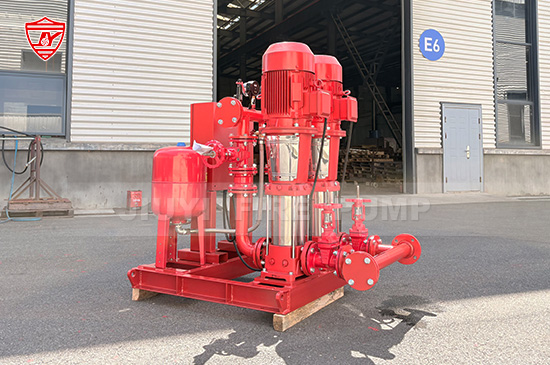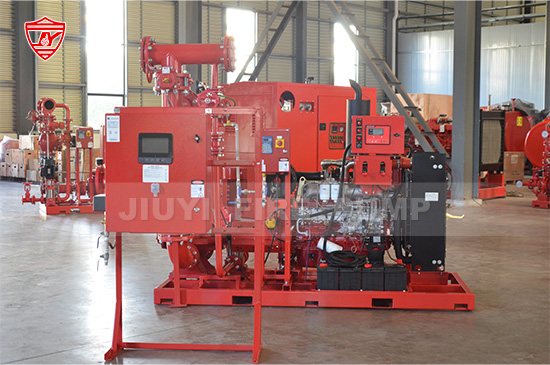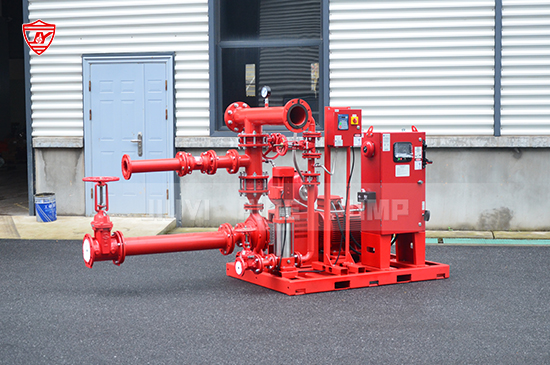
Fire pumps are a critical component of any fire protection system. Their primary function is to provide sufficient water pressure and flow to combat fires effectively. However, without regular performance testing, even the best-designed fire pumps can fail when they are needed most. In this article, we’ll explore why annual performance testing is essential to ensuring that your fire pump operates reliably during emergencies.
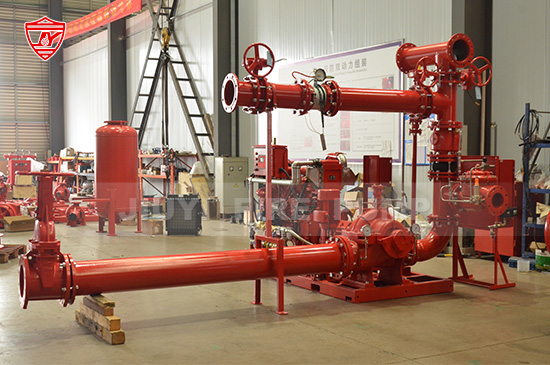
A fire pump is responsible for delivering water to fire sprinkler systems, hydrants, and other critical fire suppression equipment. They are typically powered by electricity, diesel engines, or sometimes steam, and they ensure that water is supplied at a sufficient pressure to fight fires effectively. Since fire pumps are often designed to operate under emergency conditions, their reliability can mean the difference between life and death.
Fire pumps are essential in buildings, industrial sites, and infrastructure where fire protection is a legal requirement. Whether it's a commercial property, industrial facility, or high-rise residential building, fire pumps provide the water pressure needed to keep sprinkler systems and hydrants functioning in the event of a fire.
But the reality is that fire pumps, like all machinery, can experience wear and tear over time. Regular performance testing helps ensure that the pump system is in optimal condition to respond when it’s most needed.
Annual fire pump testing is mandated by fire safety codes, such as the NFPA 25, which provides guidelines for inspection, testing, and maintenance of water-based fire protection systems. Testing every year guarantees that the fire pump will operate at its peak capacity in the event of a fire. Here are the key reasons why annual fire pump performance testing is crucial:
A fire pump's main role is to function efficiently during an emergency. However, without regular testing, you cannot be sure that it will perform as expected under real-world conditions. Testing the fire pump ensures that all components are in good working order, including the motor, pump, and pressure switch. These tests simulate emergency conditions, checking whether the pump can provide the required water flow and pressure to effectively fight a fire.
Testing also verifies that the pump responds promptly and effectively to changes in demand during a fire emergency. Fire pump performance can deteriorate over time due to aging components or environmental factors, which makes testing a critical task for ensuring continued performance.
Most regions require that fire pump systems undergo annual testing to remain in compliance with national and international fire safety standards, such as NFPA 20 and 25. These codes help ensure that fire protection systems are functioning properly and ready for use when needed. Failure to comply with these regulations can result in penalties, fines, or even the invalidation of your insurance policy. Insurers may require documentation of regular testing as part of their risk management criteria.
Having your fire pumps tested annually demonstrates that your facility is committed to fire safety. Additionally, maintaining a compliant fire pump system can lower insurance premiums by reducing the risk of fire-related damages.
Over time, mechanical wear, corrosion, and dirt buildup can degrade the performance of fire pump components. For example, a pump impeller may become worn out, or seals may degrade, leading to reduced water pressure or leaks. Regular testing identifies these issues before they become catastrophic problems. Testing can also reveal issues with the pump’s power supply, including malfunctioning engines, electrical faults, or fuel system failures.
During annual performance testing, a certified technician can conduct a full inspection of the fire pump system, identifying any signs of wear or malfunction. This proactive approach helps to prevent breakdowns during an actual emergency.
Sometimes, fire pump failures are the result of minor issues that have been left unnoticed over time. These problems can be easy to overlook during routine maintenance or daily use. However, annual performance testing can help identify minor issues before they develop into larger, more expensive problems.
For example, loose connections, worn-out bearings, or slight leaks in the system may not be obvious without a thorough performance test. Catching these issues early can save time and money on repairs and help avoid unnecessary downtime or major system failures.
Even when a fire pump system appears to be running smoothly, annual performance testing can help to enhance its efficiency and ensure it is performing at its maximum potential. Over time, certain settings, such as pump speed or pressure levels, may need to be adjusted. The system’s performance may also fluctuate based on environmental factors, including temperature, humidity, and changes in water supply pressure.
Through testing, technicians can fine-tune the system to improve its efficiency and reduce the risk of pump failure in the future. Optimizing your fire pump's performance not only ensures fire protection but can also extend the lifespan of the equipment.
Annual testing provides documentation that proves your fire pump system is in good working order, which is critical for ongoing maintenance plans. Having a record of regular tests helps to track the system’s performance over time, making it easier to identify trends or recurring issues that require attention.
This documentation is particularly useful for facilities that need to schedule maintenance or make improvements to their fire protection system. By keeping a log of test results, you can plan for replacements or upgrades in advance, avoiding any last-minute scrambling when problems arise.
Fire pump performance testing is not simply a visual inspection. It involves a series of steps designed to simulate actual operating conditions and evaluate the pump’s performance. Here's a general outline of the process:
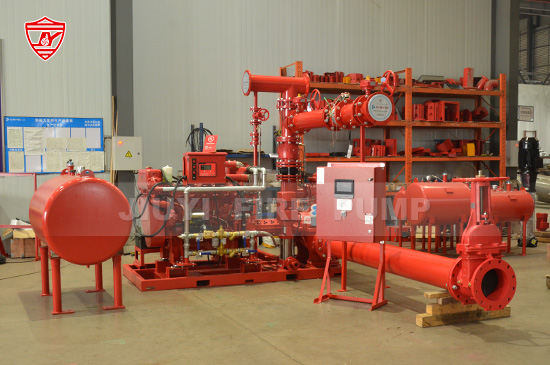
Fire pump performance testing is not just an annual task—it’s an essential safety measure that can save lives and protect property. Regular testing ensures that your fire pump is ready for action when a fire breaks out and helps avoid costly repairs or penalties for non-compliance with regulations. By investing in annual testing, you are taking proactive steps to ensure your fire protection system is always functioning at its best.